Tanit and the Tophet: Carthaginian Worship and Roman Repurposing
The Tophet was a Carthaginian ceremonial site dating to the 4th–2nd centuries BC, dedicated to the worship of the two Phoenician gods, where more than 20,000 urns containing the ashes of newborn children were deposited.
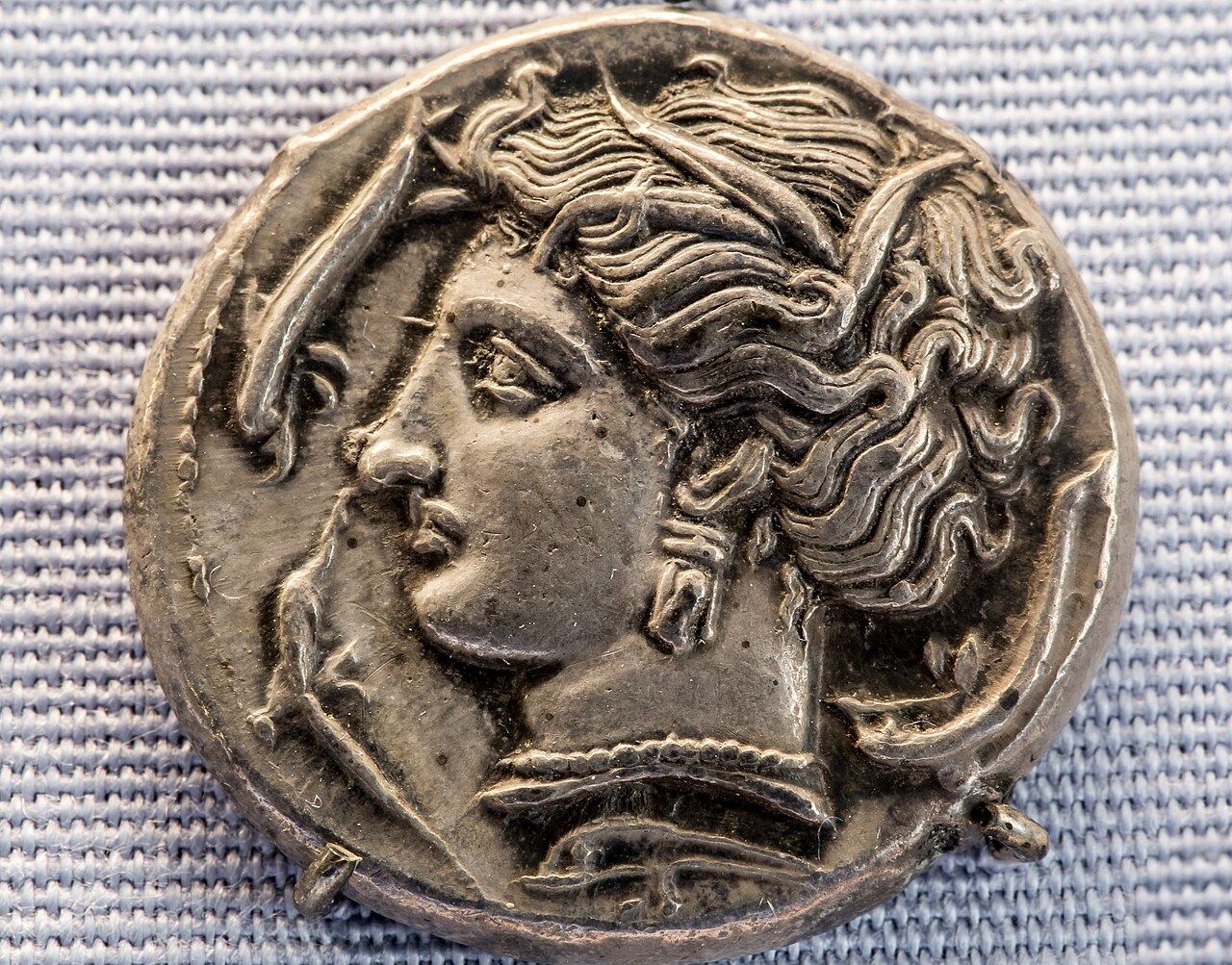
The Goddess Tanit and Carthaginian Religion
Tanit stood as the chief female deity of Carthage, linked to fertility, the moon, and protection. Her symbol, a triangle surmounted by a circle, appears on many stelae from the precinct.
The Sacred Precinct and Its Finds
Excavations have yielded over 20,000 urns holding the ashes of newborn children, along with numerous gravestone-like stelae. Some urns contained burned bones of lambs or goat kids, indicating possible animal substitution in dedicatory rites.
[people of Judah] have built the altar called Tophet. .. and there they burn to death their little sons and daughters
The Child Sacrifice Debate
The Hebrew term "Tophet" means "place of burning," and Jeremiah's description fueled the interpretation of child sacrifice. A stele in the Bardo Museum shows a priest carrying a child, often cited as evidence. Some experts suggest the remains may reflect natural infant mortality and could represent a memorial practice rather than sacrifice.
Roman Repurposing of the Site
Following the Roman conquest, the sacred ground was overbuilt with workshops, warehouses, and a temple, transforming the ritual landscape into a utilitarian quarter. This reuse exemplifies the Roman strategy of asserting control by repurposing conquered religious centers.
Visiting the Archaeological Remains
Today the site's remains lie within the ancient city's archaeological park, and the Bardo Museum displays the key stelae and the priest-and-child relief. Interpretation panels present the ongoing scholarly debate, allowing visitors to weigh the evidence themselves.

Registration successfull!

Your Registration is successfully done
Please Check Your E-mail to Confirm Your Account. Do not forget to open the spam folder.
 EUR


 Español
 English
 العربيه


