Horemheb
Horemheb was the regent of king Tutankhamun who assumed power as a child. He was blessed by the king to be his successor when he dies. He was with a non-royal background, and this is clear in the coronation text where he emphasizes on the fact that he was a young man chosen by the god Horus of Hutnesu (presumably his hometown), to be King of Egypt. Then he indicates how he served as the king's deputy and the prince regent and this prepared him to be a great monarch of Egypt. It is indicated in one of the texts that Horemheb played a great role at the beginning of Tutankhamun Rule and was engaged in some military confrontations against the Hittites. He acceded to the throne in 1329BC and his reign was supposed to be a peaceful and prosperous era in the history of Egypt.
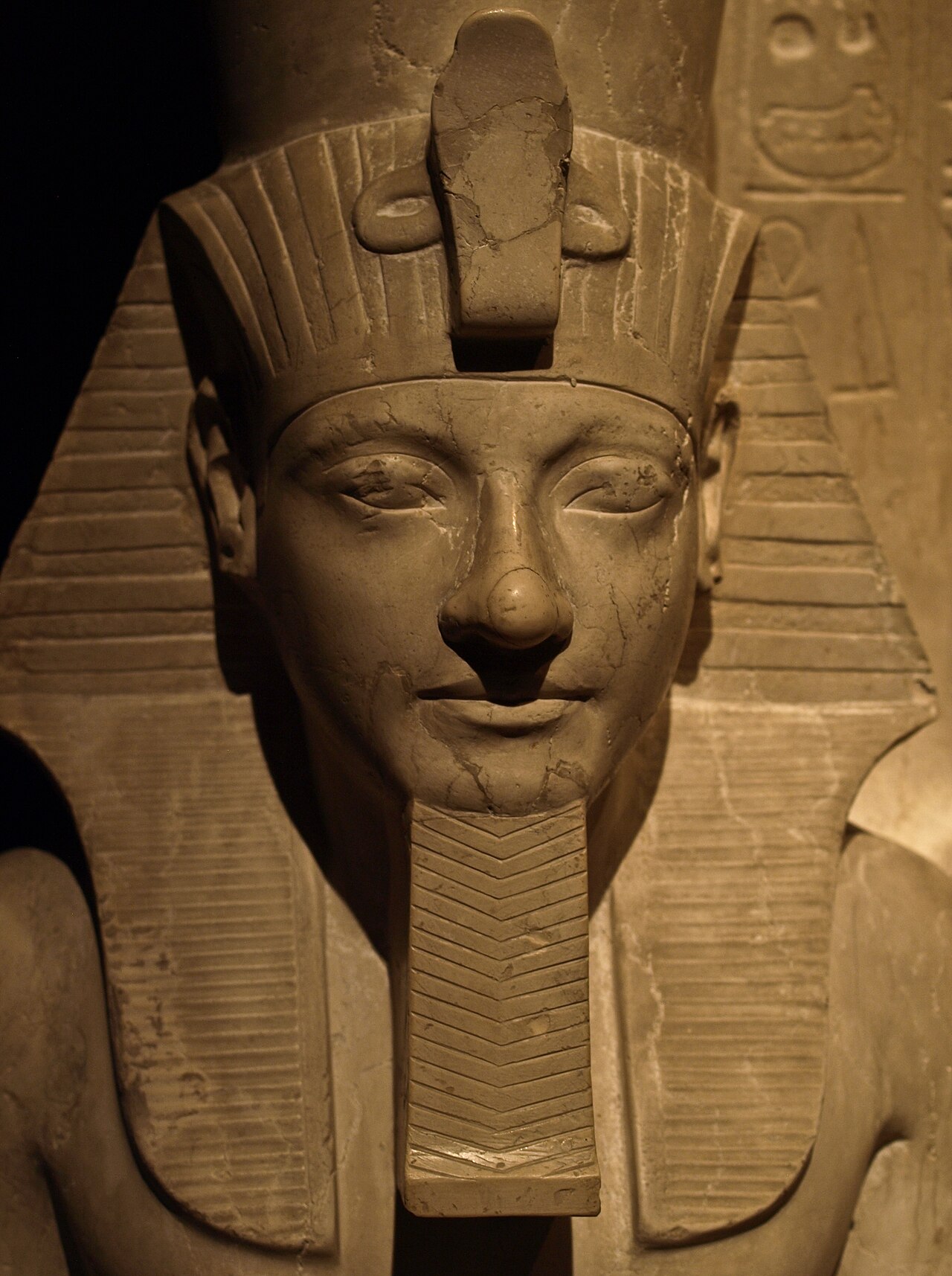
The chief consort was queen Mutnedjmet (a songstress of Amun). It is assumed that she was of a non-royal blood because he married her before succeeding to the throne. Horemheb appointed his son Paremessu to be his successor and made him the Prince Regent to the throne during his life time. Paremessu served in many military posts including Vizier of Horemheb until the death of his father in 1292BC.
Horemheb constructed a tomb for himself before being the king of Egypt in the section of the Pyramid of Unas at Saqqara. The walls of the tomb are adorned with his title as the "General of Generals of the Army" during Tutankhamun Reign. The tomb was discovered in 1977 by G. Martin and there are many pieces from it displayed in the Egyptian Museum including a gold earring of Horemheb. After his coronation he constructed another royal tomb in the Valley of the Kings

Registration successfull!

Your Registration is successfully done
Please Check Your E-mail to Confirm Your Account. Do not forget to open the spam folder.
 EUR


 Español
 English
 العربيه


