Astarte: Protector of the Dead in Punic Religion
Who Is Astarte in Punic Religion
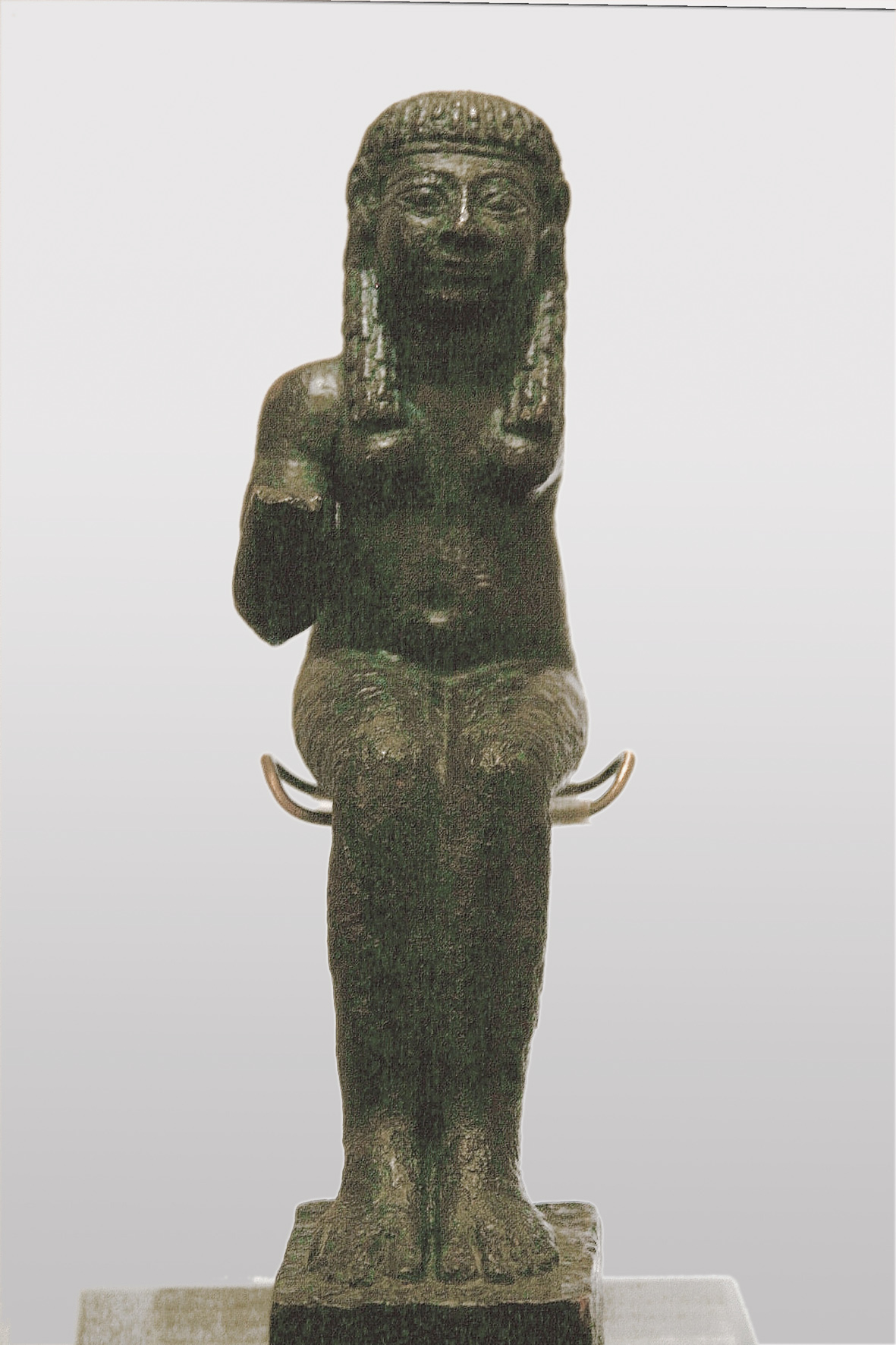
The life-size wooden sarcophagus from Kerkouane, called the "Lady of Kerkouane," is a rare surviving image of Astarte in her funerary guise, carved to guard the deceased on their journey.
Why Her Funerary Role Matters
Punic tombs reveal a society deeply concerned with the afterlife. Astarte's presence on coffins and in grave goods signals her power to shield souls from underworld dangers. The Kerkouane Museum displays this sarcophagus alongside razors, kohl pots, tweezers, baby bottles, gold jewelry, fine vases, and funerary statues — everyday objects placed to serve the dead in the next world, all under Astarte's watch.
How She Appears in the Archaeological Record
Wooden coffins rarely survive the Mediterranean climate, making the Kerkouane example exceptional. Most Punic representations of Astarte appear on stone stelae, terracotta figurines, or metal amulets showing a frontal female figure with Hathor-like curls or a horned headdress. The sarcophagus combines Egyptianizing motifs with local Punic style, reflecting Carthage's cultural crossroads.
What to Watch For
Scholars debate whether the "Lady of Kerkouane" depicts the goddess herself or a priestess embodying her. Similarly, the boundary between Astarte and Tanit blurs in later Punic art, so attributions can shift with new finds. The museum's 3rd–4th century BC context places this piece in the height of Punic Carthage before Roman destruction.

Registration successfull!

Your Registration is successfully done
Please Check Your E-mail to Confirm Your Account. Do not forget to open the spam folder.
 EUR


 Español
 English
 العربيه


