Sarcophagus of Senbi
This sarcophagus was found with two others in the Tomb of Senbi, in the rich archeological site of Meir (ancient city of Cusae) in Assiut and was identified to date back to the Middle Kingdom (1994-1781 BC). Senbi was a scribe of the Twelfth Dynasty who held the title 'Nomarch' and 'Overseer of Priests' during the reign of Amenemhat the First of the Twelfth Dynasty, and his father was called Ukhhotep.
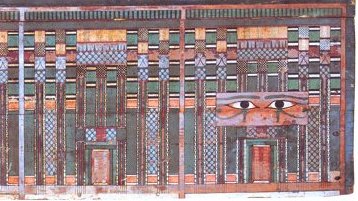
Made of painted wood, this sarcophagus has multi-colored decorations that resemble floral patterns and matting used on the walls of buildings. The east side of the sarcophagus at the height of the head was usually decorated with a false door and two large Wedjat (Udjat) eyes to symbolize the potential participation of the deceased in the solar cycle and to permit the deceased contact with the world of the living.
Facts
- Material: Painted Wood
- Found in: Meir, 1910
- Discovered by: Ahmed Kamal
- Belonged to: Senbi
- Dynasty: 12th Dynasty
- Period: Middle Kingdom
- Museum: Egyptian Museum, Cairo
Related

Registration successfull!

Your Registration is successfully done
Please Check Your E-mail to Confirm Your Account. Do not forget to open the spam folder.
 EUR


 Español
 English
 العربيه


