Tutankhamun
Still a child, Tutankhamun (son of Akhenaten and Nefertiti) ascended the throne at Amarna. But soon afterwards – perhaps as early as his first year of regency or shortly afterwards – he abandoned the city founded by his father.
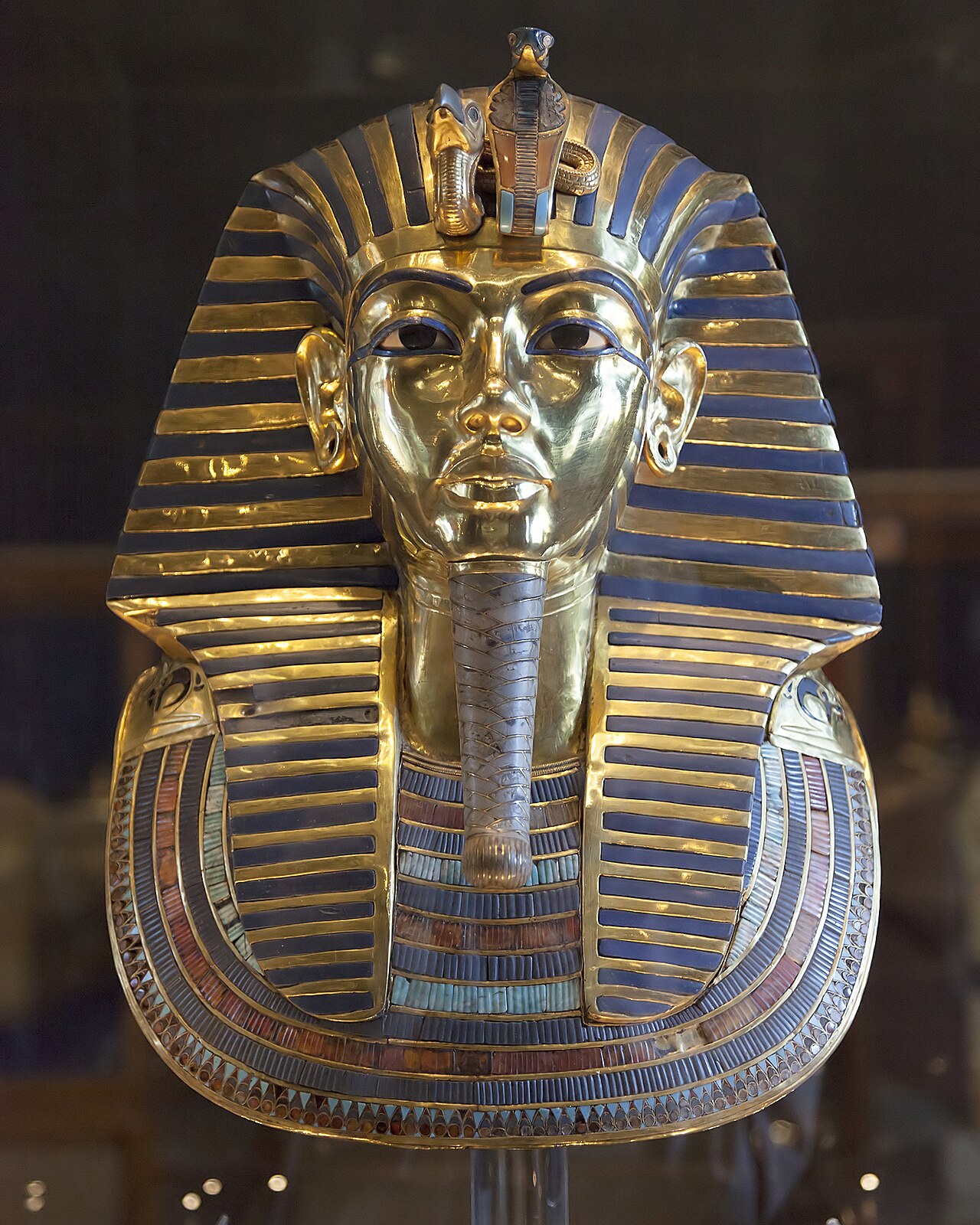
People continued to live in Akhetaten for some time, but the court moved back to Memphis, the traditional seat of government. The old cults were restored and Thebes once more became the religious centre of the country. The King's name was changed to Tutankhamun and the epithet "Ruler of Southern Heliopolis" was added to it, as a deliberate reference to Karnak as the centre of the cult of the Sun-god Amun-Re. The name of his great royal wife, Ankhesenpaaten, was likewise altered to Ankhesenamun.
As the King ascended the throne as a child, a senior military official with no blood links with the royal family, the Commander-in-Chief of the army, Horemheb, played the role of regent. Horemheb gained the right to succeed Tutankhamun if he were to die. Horemheb would in fact become the king himself, and in his Coronation text (which gives an account of his rise to power, a text carved on the back of a statue of him now in the Museum of Turin) it seems that it was he who advised the King to abandon Amarna 'when chaos had broken out in the palace'.
The most important document of Tutankhamun's reign is the so-called "Restoration Stela", which presents an extremely negative description of the state in which Akhenaten's reforms had left the country. The temples of the gods had become ruins, their cults abolished. The gods therefore abandoned Egypt, and no longer answered any prayers.
A major campaign was launched to restore the traditional temples and to reorganize the administration of the country. This was led by the chief of Tutankhamun's treasury, Maya, who was sent on a major mission to temples from the Delta to Elephantine in order to impose taxes on their revenues, which had previously been diverted to the Aten temples. Maya was responsible for the burials of Tutankhamun and his successor Ay and for the reorganization of the Workmen's Village at Deir el-Medineh when work began on the Tomb of Horemheb.

Registration successfull!

Your Registration is successfully done
Please Check Your E-mail to Confirm Your Account. Do not forget to open the spam folder.
 EUR


 Español
 English
 العربيه


