Mahmoud El Hakim and the Nubian Museum: A Landmark of Egyptian Architecture
The Architect Behind a Cultural Landmark
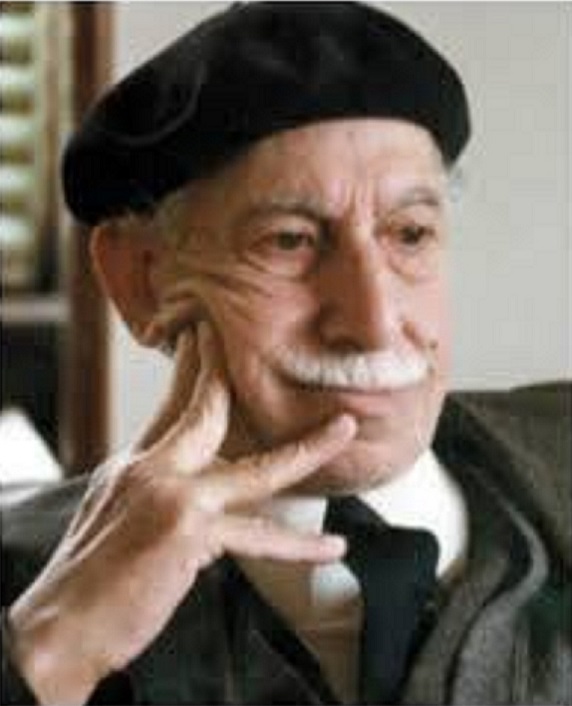
Mahmoud El Hakim is a famous Egyptian architect who was responsible for designing the Nubian Museum in Egypt. His work on this project earned him the prize of Agha-Khan Award of architecture in 2001 as a reward for the magnificent architectural style of the museum that was inaugurated in 1997. The commission placed him at the center of one of Egypt's most significant cultural preservation efforts of the late twentieth century, tasked with creating a permanent home for the heritage of a civilization displaced by the rising waters of Lake Nasser.
The Nubian Museum: Preserving a Displaced Heritage
The Nubian Museum stands in Aswan, near the First Cataract of the Nile, on a site that overlooks the river and the desert landscape that shaped Nubian life for millennia. The museum was conceived as a response to the international salvage campaign undertaken when the Aswan High Dam threatened to submerge the ancient Nubian heartland. Artifacts recovered from temples, cemeteries, and settlements before the flooding needed a dedicated institution that could interpret them within their cultural and environmental context. The building itself became part of that interpretation, designed to evoke the vernacular architecture of Nubian villages while meeting the technical demands of a modern museum.
Architectural Vision: Integrating Building and Landscape
El Hakim's design approaches the museum as an extension of the rocky plateau on which it sits. The structure follows the natural contours of the land, with terraced levels that step down toward the Nile. Local sandstone, quarried from the surrounding area, clads the walls, blending the building into the desert palette. Courtyards, shaded arcades, and vaulted spaces recall the passive cooling strategies and spatial rhythms of traditional Nubian houses, where thick walls and small openings mitigate the intense heat. Water features reference the Nile's central role in Nubian agriculture and ritual. The exhibition galleries are arranged chronologically and thematically, guiding visitors from prehistoric rock art through the Pharaonic, Greco-Roman, Christian, and Islamic periods to the living culture of Nubian communities today.
The Aga Khan Award Recognition
The Aga Khan Award for Architecture, established in 1977, honors projects that address the needs of Muslim societies in fields ranging from contemporary design to historic preservation. The jury cited the Nubian Museum for its successful dialogue between modern museology and indigenous building traditions, noting how the architecture respects the site's topography and the cultural memory of the Nubian people. The award brought international attention to El Hakim's work and underscored the museum's role as a model for cultural institutions in post-colonial contexts, where architecture can serve as an act of restitution.
Visiting the Museum Today
Travelers to Aswan find the Nubian Museum a short distance from the city center, accessible by road or a brief boat ride across the Nile. The outdoor exhibition area displays a reconstructed Nubian house, a rock-cut tomb chapel, and sections of a Fatimid minaret, all relocated from submerged sites. Inside, highlights include a colossal statue of Ramses II, intricate jewelry from the Ballana tombs, and ethnographic displays of Nubian domestic life. The museum also hosts temporary exhibitions, educational programs, and cultural events that keep the connection between the collection and contemporary Nubian communities alive. For visitors exploring the temples of Philae, Abu Simbel, or the Unfinished Obelisk, the Nubian Museum provides the essential narrative thread that binds these monuments to the people who built, worshipped, and lived among them.

Registration successfull!

Your Registration is successfully done
Please Check Your E-mail to Confirm Your Account. Do not forget to open the spam folder.
 EUR


 Español
 English
 العربيه


