Ibrahim Pasha and the Egyptian Intervention in the First Saudi State
Ibrahim Pasha: A Formidable Leader of Egypt
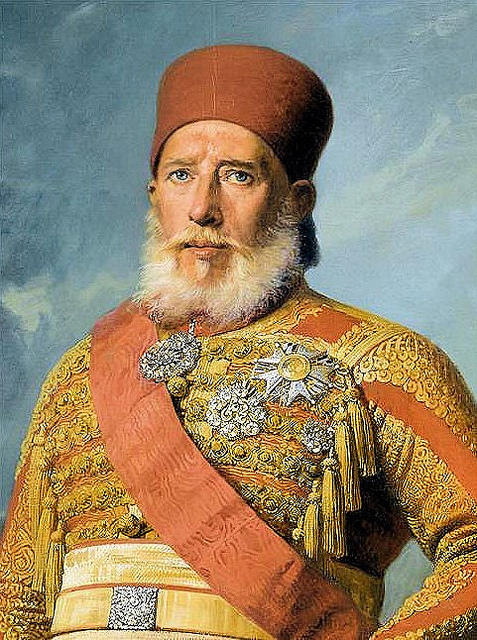
Ibrahim Pasha was a distinguished military commander and a significant figure in Egyptian history, known for his strategic brilliance and leadership on the battlefield. He was the son of Mohamed Ali Pasha, the founder of modern Egypt, and inherited much of his father's military acumen and ambition. Ibrahim Pasha's career was marked by numerous campaigns that expanded Egyptian influence and reshaped the political landscape of the region, most notably his decisive role in the Egyptian intervention against the First Saudi State. He served as regent for his father in 1848, though his tenure was brief due to his declining health.
The Campaign Against the First Saudi State
Ibrahim Pasha led the Egyptian forces in a critical campaign against the House of Saud, which had established the First Saudi State in the Arabian Peninsula. This military expedition was undertaken at the behest of the Ottoman Sultan, who sought to curb the rising power of the Saudi state and its associated religious movement, which had challenged Ottoman authority and gained control over important holy cities. The campaign was a major undertaking, requiring extensive logistical planning and sustained military effort across vast desert territories.
As the leader of the Egyptian forces, Ibrahim Pasha demonstrated exceptional military skill and determination. He engaged the Saudi forces in a series of battles, meticulously advancing his troops and overcoming the challenging terrain and fierce resistance. His tactical prowess and ability to maintain morale among his soldiers, even amidst significant hardships, were crucial to the success of the mission. He was a gifted leader and brave soldier who shared his soldiers in all the hardships they met, fostering a strong bond and commitment within his army.
Ultimately, Ibrahim Pasha managed to force the Saudi Leader to surrender, leading to the collapse of the First Saudi State. He successfully spread Egyptian power over Diriyah, the capital of the Saudi state, marking a significant victory that extended Egypt's influence deep into the Arabian Peninsula. This campaign not only achieved its immediate military objectives but also had lasting geopolitical consequences for the region, reasserting a degree of Ottoman control through Egyptian proxy and altering the trajectory of power in Arabia.
Diplomacy and Later Life
Beyond his military exploits, Ibrahim Pasha also engaged in diplomatic efforts. In 1846, Ibrahim Pasha visited Western Europe, where he was received with respect by various European powers. This visit underscored Egypt's growing importance on the international stage and Ibrahim Pasha's own stature as a prominent leader and military figure. Such diplomatic engagements were part of a broader effort by Mohamed Ali's dynasty to modernize Egypt and integrate it into the European political and economic system.
In 1848, Ibrahim Pasha occupied the post of the regent of Mohamed Ali, taking on administrative responsibilities during his father's advanced age and declining health. However, Ibrahim Pasha himself was in a very bad health condition at this time, having endured a lifetime of strenuous military campaigns and leadership. He passed away after about five months of occupying this post, bringing an end to the life of one of Egypt's most influential military commanders.

Registration successfull!

Your Registration is successfully done
Please Check Your E-mail to Confirm Your Account. Do not forget to open the spam folder.
 EUR


 Español
 English
 العربيه


