Amenemhat IV: A Builder King Amidst Shifting Sands
Amenemhat IV, also known by his throne name Maakherure, served as the seventh king of the illustrious Twelfth Dynasty of ancient Egypt. He succeeded his father, Amenemhat III, and ruled for approximately ten years, continuing a period of significant royal activity, particularly in construction and resource management. His reign, however, also marked the beginning of political tensions that ultimately foreshadowed the decline of his powerful dynasty.
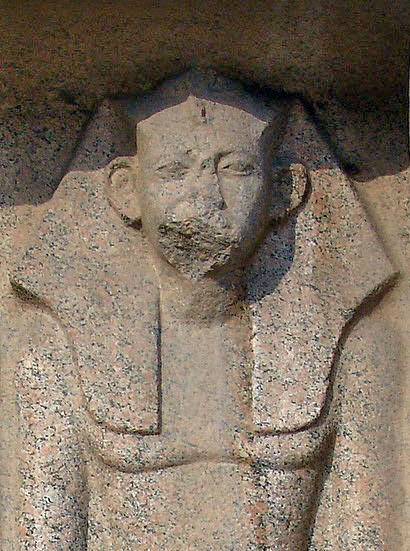
The Twelfth Dynasty and Royal Succession
The Twelfth Dynasty is often considered a golden age of the Middle Kingdom, characterized by strong central rule, economic prosperity, and cultural flourishing. Kings of this dynasty, including Amenemhat IV, maintained a stable and well-organized administration. The succession from Amenemhat III to his son, Amenemhat IV, initially continued this tradition of strong leadership, but the underlying political landscape was beginning to shift.
El Fayoum as a Center of Power
Amenemhat IV, like several of his predecessors, established El Fayoum as his primary center of power. This fertile oasis region, west of the Nile Valley, was strategically important for its agricultural potential and its proximity to desert trade routes. The kings of the Twelfth Dynasty invested heavily in developing the Fayoum, undertaking extensive irrigation projects and building royal residences and temples there, transforming it into a vital economic and administrative hub.
A Legacy of Construction
Amenemhat IV's reign was a period of extensive construction, mirroring the ambitious building programs of his father. These projects often served to reinforce royal authority, honor the gods, and demonstrate the wealth and stability of Egypt. Royal building initiatives during the Middle Kingdom frequently focused on infrastructure and religious structures, reflecting both practical needs and spiritual devotion.
Sobek Worship at Shedet and Royal Temple Building
A significant aspect of Amenemhat IV's building legacy was his temple in Medinet El Maadi, which was dedicated to Sobek of Shedet. Sobek was an ancient Egyptian deity often depicted as a crocodile or a man with a crocodile head. He was associated with the Nile, fertility, and kingship, and was believed to protect the pharaoh. His cult was particularly strong in the Fayoum region, where crocodiles were abundant in the local waters.
Shedet was the ancient Egyptian name for a prominent city in the Fayoum, later known as Crocodilopolis by the Greeks. It was the primary cult center for Sobek, where the god was venerated with great devotion. The construction of a temple dedicated to Sobek in this region by Amenemhat IV underscored the pharaoh's connection to the local deity and his commitment to the religious traditions of the area. Such temples played a crucial role in maintaining cosmic order and securing divine favor for the king and the land.
Other Architectural Endeavors
Beyond his work in the Fayoum, Amenemhat IV also completed the construction program in Sinai that had been initiated by his father. This region was vital for its rich mineral resources, particularly turquoise and copper, and royal expeditions there required supporting infrastructure. He also constructed other buildings, including a notable temple in Qasr El Sagha, further demonstrating his commitment to monumental architecture across Egypt.
Political Tensions and Decline
Despite his building achievements, the end of Amenemhat IV's reign witnessed a period of political tension. This unrest marked the initial signs of decline for the Twelfth Dynasty. While the exact causes are not fully detailed in available records, such periods often involved challenges to central authority, economic pressures, or difficulties in succession, which could destabilize a previously strong ruling house.

Registration successfull!

Your Registration is successfully done
Please Check Your E-mail to Confirm Your Account. Do not forget to open the spam folder.
 EUR


 Español
 English
 العربيه


