Vespasian
Titus Flavius Vespasianus, known as Vespasian, was the ninth Roman emperor who was born in 9 AD in Reate (Rieti), north-west of Rome. During the rapid turnover of emperors following the suicide of Nero in 68 AD and the ascending of General Galba to the throne, General Otho became the emperor just for 3 months until he was succeeded by Vitellus. The Roman Empire in the East refused to recognize the new emperor and acclaimed Vespasian, who came to Egypt to implement an embargo on wheat to Rome to topple Vitellus.
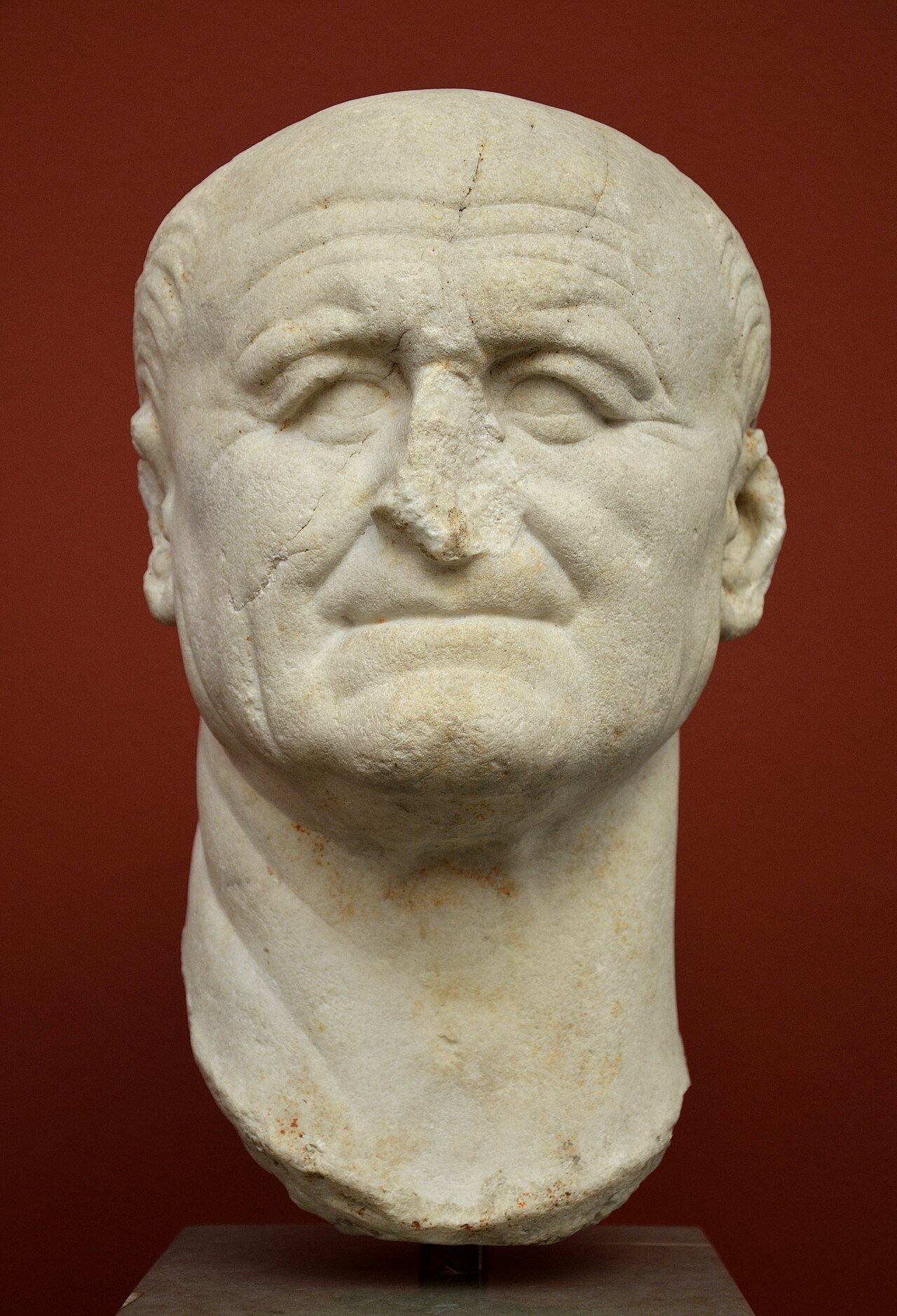
Vespasian, the founder of the Flavian dynasty of emperors, prepared his own bid for power. In his bid for imperial power, Vespasian joined forces with Gaius Licinius Mucianus, the governor of Syria, who led the Flavian forces against Vitellius, while Vespasian himself gained control over Egypt. On December 20, Vitellius was defeated, and the following day, Vespasian was declared emperor by the Roman Senate. When Vespasian knew that Vitellus was killed, he abstained from implementing this embargo, so as to win the affection of the Romans. He focused on restoring Rome's finances and returning peace and stability to the empire after a period of civil war and much political and military turmoil. During the reign of Vespasian, another Jewish revolution broke out in Palestine (66 AD - 70 AD), but it was suppressed by Titus who was welcomed as a hero in Alexandria.

Registration successfull!

Your Registration is successfully done
Please Check Your E-mail to Confirm Your Account. Do not forget to open the spam folder.
 EUR


 Español
 English
 العربيه


