Pharaoh Merenre II and Royal Sibling Marriage
Merenre II: A Brief Royal Reign
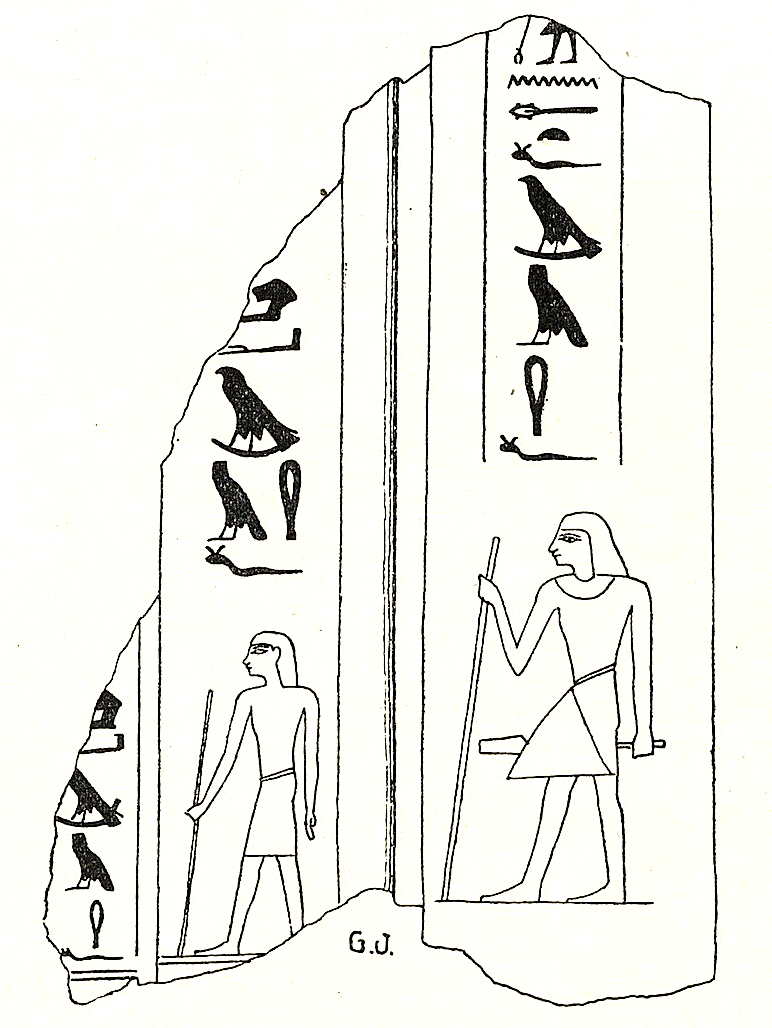
Merenre II, also known by the names Nentimsaf II or Merenre Nemtyemsaef II, was an ancient Egyptian pharaoh who ruled for only a single year. He was the son of King Pepy II Neferkare and Queen Neith, placing him within the lineage of the Sixth Dynasty during the Old Kingdom period. His name, which translates to "Beloved of Re," reflects the significant religious importance of the sun god Re in ancient Egyptian royalty. The mention of his name in the Abydos King-List confirms his historical existence as a legitimate ruler. Additionally, a stela discovered near the pyramid of Queen Neith, his mother, also bears his name, further solidifying his place in the historical record. His short reign occurred during a period when the centralized power of the pharaohs was beginning to face challenges, leading to eventual instability.
Sibling Marriage Among Pharaohs
Merenre II was married to his sister, Queen Nitocris, a practice that was not uncommon among ancient Egyptian royalty, particularly within the Old Kingdom. This tradition of sibling marriage served several purposes within the royal family. One primary reason was to maintain the purity of the royal bloodline, as pharaohs were considered divine or semi-divine beings, and their lineage was believed to be sacred. Marrying a sister ensured that the divine essence remained within the immediate family. It also helped to consolidate power and prevent potential rivalries from outside noble families by keeping the succession strictly within the ruling house. While common for pharaohs, this practice was generally not adopted by the wider population, who followed different marital customs. The royal family's unique status allowed for such unions, distinguishing them from ordinary Egyptians.
The End of a Dynasty
Historical documentation indicates that Merenre II's brief reign ended tragically when he was murdered in a plot while on the throne. This event points to the political turmoil and power struggles that could occur even within the highest echelons of Egyptian society. Following his death, his sister and wife, Queen Nitocris, succeeded him as ruler. She is famously credited with avenging her brother's murder, though the details of this revenge are not fully preserved. According to the ancient historian Manetho, Queen Nitocris was the last ruler of the Sixth Dynasty, marking the end of a significant period in Egyptian history and preceding the First Intermediate Period, an era of decentralization and regional rule. Her succession highlights the rare but impactful instances of female pharaohs in ancient Egypt, often stepping in during times of crisis or succession challenges.

Registration successfull!

Your Registration is successfully done
Please Check Your E-mail to Confirm Your Account. Do not forget to open the spam folder.
 EUR


 Español
 English
 العربيه


