Clement of Alexandria: Teacher of Origen and Architect of Christian Platonism
Clement of Alexandria and the Catechetical School
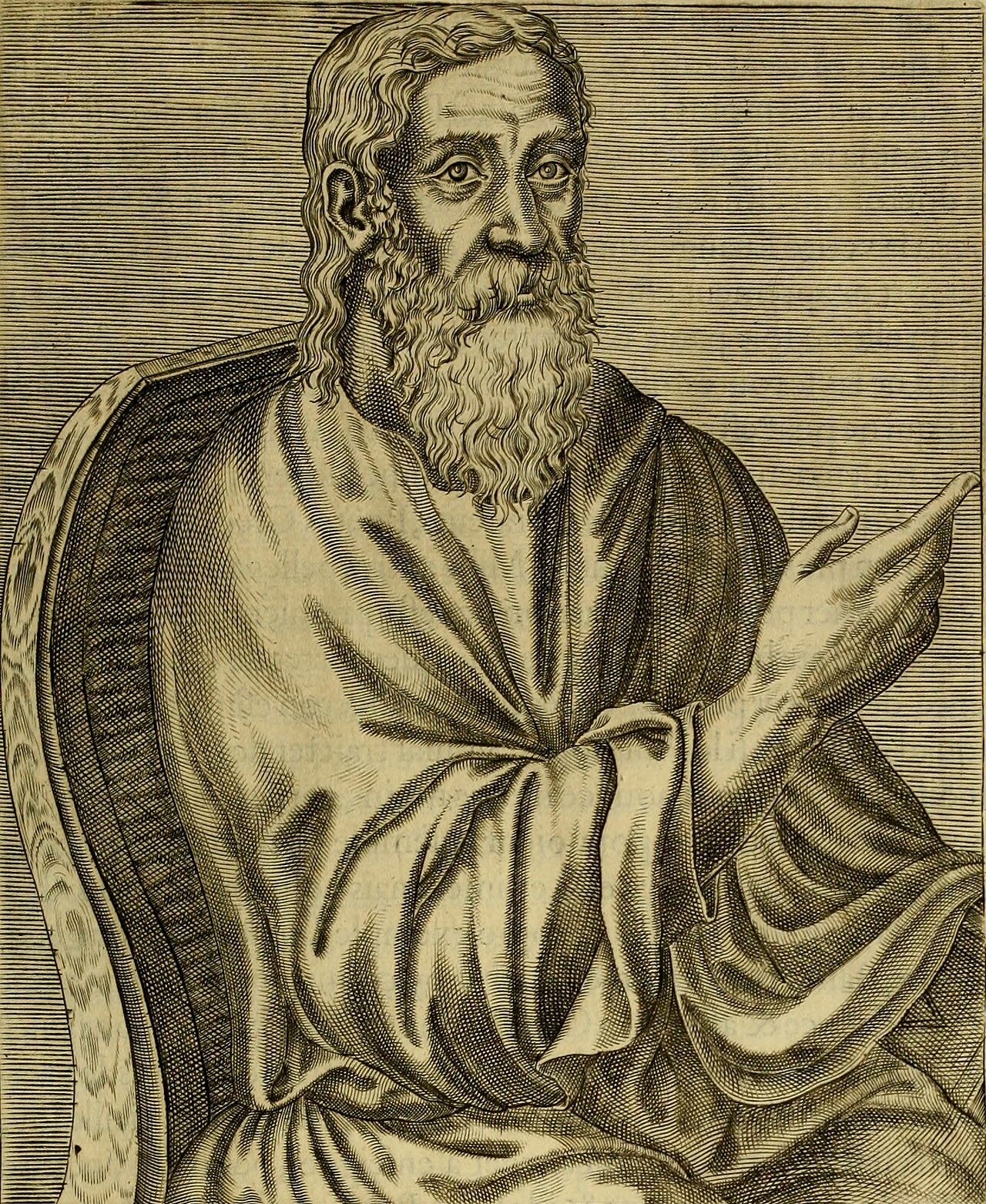
Clement of Alexandria, also known as Titus Flavius Clemens, a pupil of Pantrenus, led the Catechetical School of Alexandria during its golden age in the mid‑second to early third centuries BC. This institution was the first major center of Christian higher learning, where theology, philosophy, and science were taught together. Clement transformed it into a place where Greek philosophical traditions met Christian doctrine, attracting students from across the Mediterranean world. His leadership established Alexandria as the intellectual capital of early Christianity.
Mentorship of Origen
Clement's most famous pupil was Origen, who became the most prolific scholar of early Christianity. Under Clement's guidance, Origen mastered the allegorical interpretation of scripture and the synthesis of Platonic philosophy with Christian teaching. This mentorship shaped Origen's monumental commentaries, his hexapla edition of the Old Testament, and his systematic theology. When Clement fled Alexandria during persecution, the school continued under other leadership, while Origen remained a prominent student.
Christian Platonism: Unifying Roman and Egyptian Believers
Clement's writings created a theological framework known as Christian Platonism, which harmonized the philosophical heritage of Greece with the faith of the church. He argued that philosophy was a "preparatory science" for Christianity, given by God to the Greeks just as the Law was given to the Jews. This approach resonated with both the Hellenized elite of Alexandria and the native Egyptian Christian community, bridging cultural divides that often fractured the early church.
Intellectual Context of Roman Alexandria
Alexandria in Clement's time was a cosmopolitan metropolis where the Library and Mouseion still symbolized learning, though their glory had faded. The city hosted vibrant Jewish, pagan, and Christian communities in constant dialogue. Clement engaged with Gnostic movements, Middle Platonic philosophers, and the mystery cults of Isis and Serapis. His work reflects this environment: he quotes Greek poets, cites Egyptian wisdom, and refutes heretical sects — all while addressing a Christian audience seeking intellectual credibility.
Lost Works and Enduring Influence
Although most of Clement's writings have disappeared, the surviving trilogy — an exhortation to conversion, a guide to Christian living, and a collection of philosophical notes — reveals his method. He used philosophy not to dilute faith but to defend and deepen it. Later theologians have sometimes been said to draw on his synthesis, though the extent of this influence is uncertain. The Catechetical School's legacy, carried forward by Origen and Didymus the Blind, shaped Christian thought for centuries.
Visiting Clement's Alexandria Today
Modern travelers can explore the ancient district of Brucheion, where the Catechetical School likely stood near the former Mouseion. The Catacombs of Kom el Shoqafa reveal the blended Egyptian-Greek-Roman funerary art of Clement's era. The Bibliotheca Alexandrina, a modern revival of the ancient library, hosts exhibitions on early Christian scholarship. Walking the Corniche at sunset, one faces the same Mediterranean that brought ideas and pilgrims to the city where Clement taught that faith seeks understanding.

Registration successfull!

Your Registration is successfully done
Please Check Your E-mail to Confirm Your Account. Do not forget to open the spam folder.
 EUR


 Español
 English
 العربيه


