Alexander III
King Alexander III of Macedon or Alexander the Great was born Pellain 356 BC. He was the successor of King Philip II of Macedon and the Greek Princess Olympuss. He was born in 356 BC and became the king of Macedonia in 336 BC at the age of twenty. He had a fair complexion and had the figure of a real athlete as he received the best military training and education. He married twice but he had had no legitimate sons to follow him.
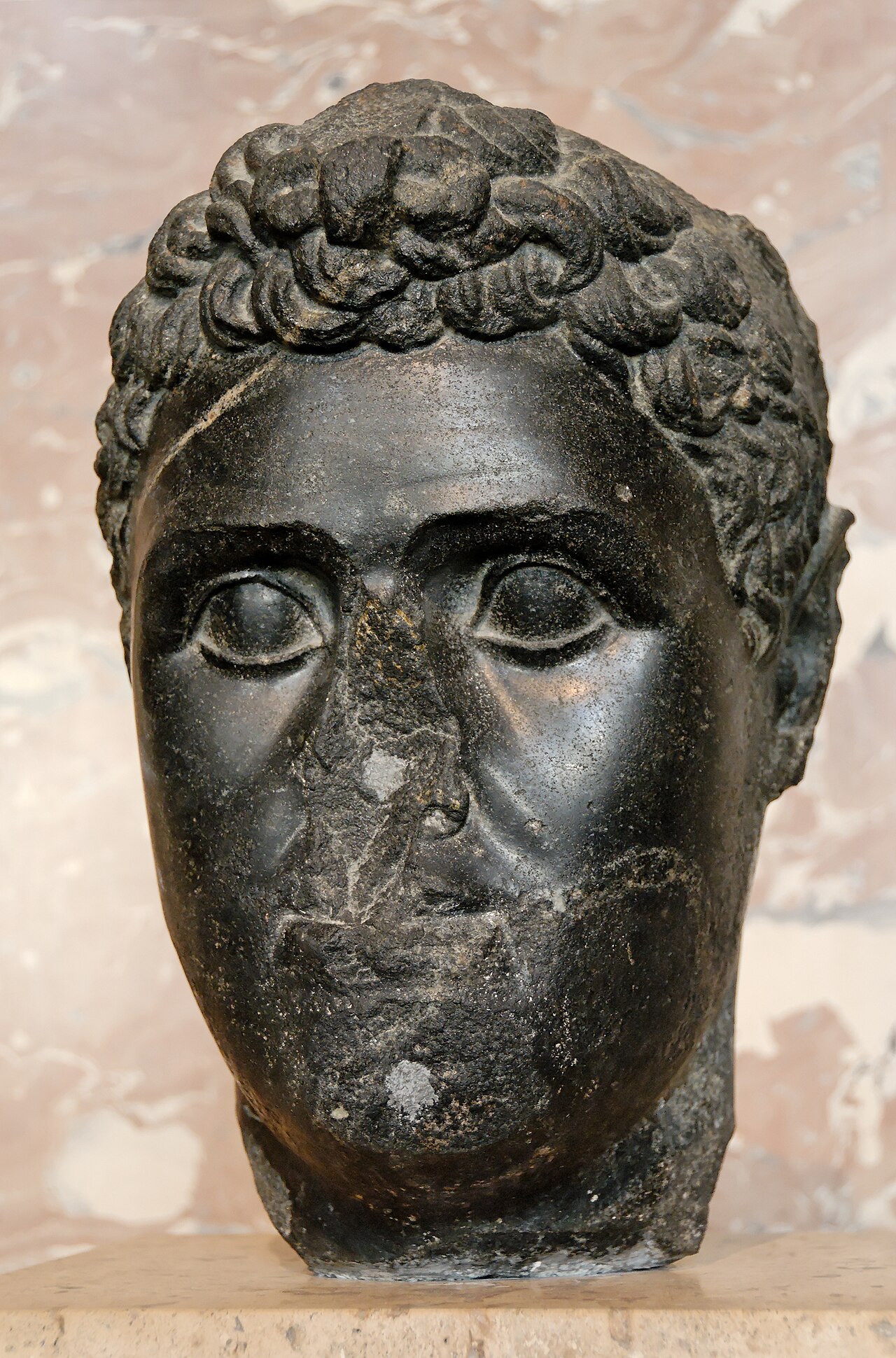
When Alexander III assumed the power he expressed his will to follow the path of his father and worked hard to gain the people's support and love by reducing taxes. Shortly after, a conflict between Alexander the great and the Semi-private tribe and he managed to defeat them. Alexander the great was a great commander and military leader who spent about 12 years of permanent military campaigning. He was known as the undefeated leader who won all the battles he entered and managed to widen the Roman Empire to a great extent.
In 334 BC, Alexander III prepared a joint army of Macedonian and Greeks headed by him and went towards eastwards to fight the Persians in 334 BC. The first encounter between Alexander III and the Persians was a battle near a river called Eranicus in Asia Minor. The Persian army was led by a Persian satrap. After a short-timed battle, Alexander III defeated the Persian army and defeated their forces towards Persia. Then, the news reached Alexander III about the presence of another Persian army at Issus on the northern Syrian coast under the command of the Persian king. So Alexander III moved with his army to Issus meeting for the second time with another Persian army. After a fierce battle, he succeeded in defeating the Persian army and the defeated forces escaped to Persia. After a long series of battles he managed to defeat the Persians and spread his power over Egypt.
He continued his conquest against the Persian Empire that he succeeded to demolish. Then he continued until he reached the Indian borders but his army refused to proceed any further, so; he was forced to retreat back. After a long journey of illness, Alexander the Great died in 323BC and was succeeded by his half-brother Phillip Arthemides.

Registration successfull!

Your Registration is successfully done
Please Check Your E-mail to Confirm Your Account. Do not forget to open the spam folder.
 EUR


 Español
 English
 العربيه


