Abd Allah Ibn Abd El Malik and the 706 Arabic Decree in Egypt
What to know first
Abd Allah Ibn Abd El Malik Ibn Marawan, a member of the Umayyad ruling family, served as viceroy of Egypt in the early eighth century. His most consequential act was a 706 decree requiring Arabic to replace Coptic in all government documents across the province. This order targeted the administrative language, not the spoken or liturgical use of Coptic, which continued for centuries. The viceroy belonged to the dynasty that had moved the caliphate's capital to Damascus and was extending standardized Arabic bureaucracy into newly governed territories.
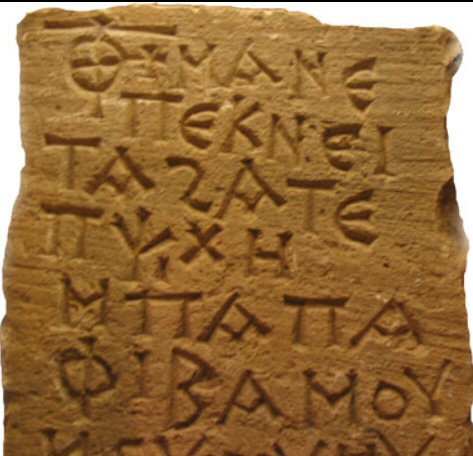
Why the decree mattered
Coptic had functioned as the language of Egyptian administration since the Byzantine period, and the scribal class was predominantly Coptic Christian. The decree displaced these officials from their hereditary roles in bookkeeping and tax records, creating immediate social and economic disruption. Resistance emerged not from religious opposition but from the practical loss of livelihood and status. The Umayyad administration aimed to unify record-keeping across the caliphate, making taxation and correspondence legible to Arabic-speaking officials from the center.
How the transition actually worked
The shift was not instantaneous. For decades after 706, official documents appeared in both languages, with Coptic glosses or parallel texts easing the changeover. Scribes adapted by learning Arabic script and terminology while retaining Coptic for church rites, legal contracts among Christians, and daily speech in many villages. This bilingual phase lasted well into the period when Arabic became the dominant written language of the region. Coptic survived as a spoken tongue in parts of Upper Egypt until around the thirteenth century and remains the liturgical language of the Coptic Orthodox Church today.
Mistakes to avoid
Do not assume the 706 decree banned Coptic outright or caused its immediate extinction. The order applied only to state paperwork, and enforcement varied by district and official. Another common error is conflating this administrative reform with the broader Arabization of Egypt, which unfolded over centuries through migration, intermarriage, conversion, and cultural exchange, not a single edict. The viceroy's decree was a milestone in that longer process, not its sole cause.
Closing tip
To see the transition firsthand, visit the Coptic Museum in Cairo or the monastic libraries of Wadi al-Natrun, where bilingual papyri and parchments from the eighth to twelfth centuries illustrate how scribes navigated the change. These documents show Arabic and Coptic side by side, revealing the practical reality behind the viceroy's order.

Registration successfull!

Your Registration is successfully done
Please Check Your E-mail to Confirm Your Account. Do not forget to open the spam folder.
 EUR


 Español
 English
 العربيه


