Ptolemy X (Alexander I) and the Power of Cleopatra III
A Reign Defined by Dynastic Struggle
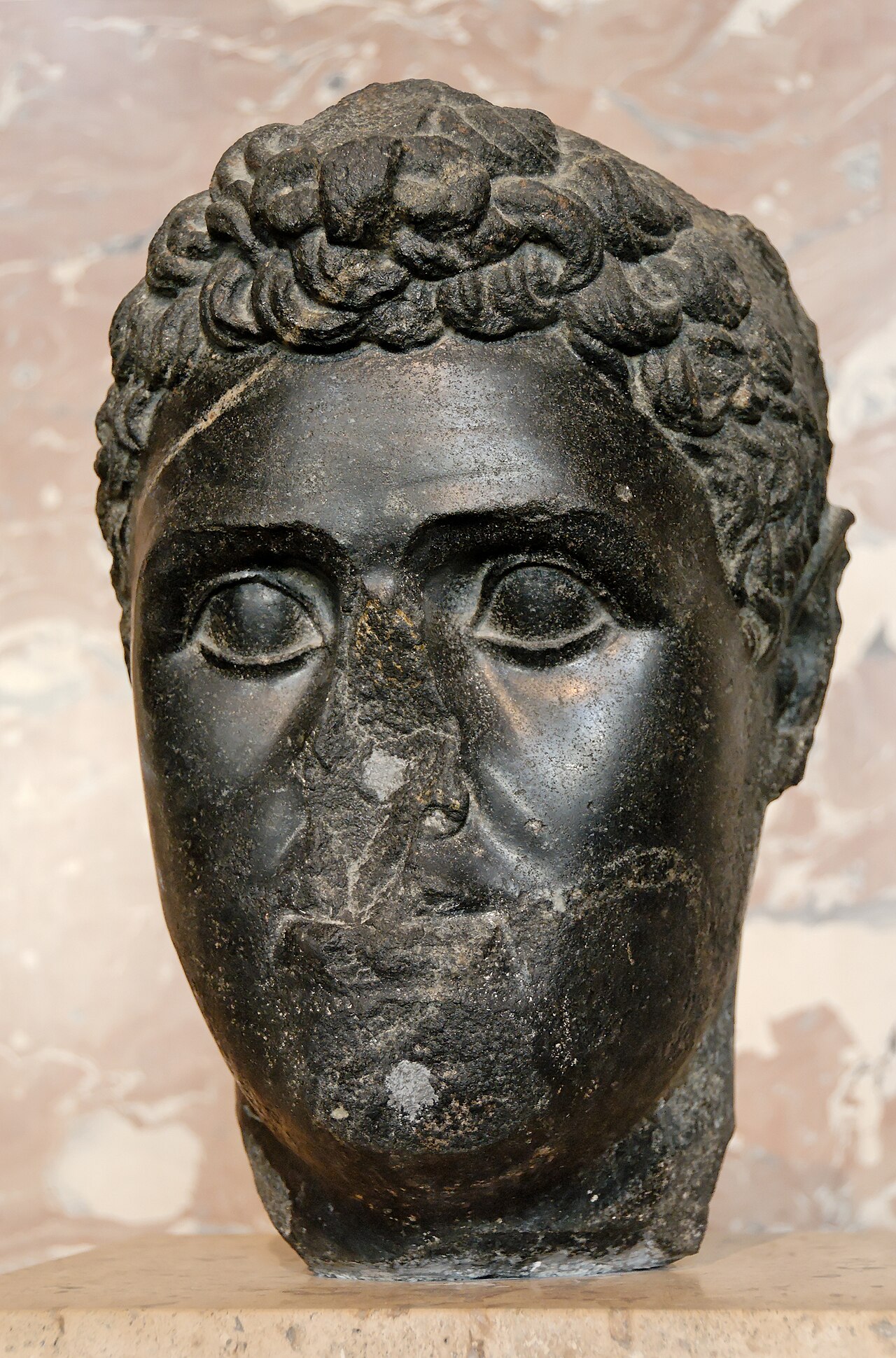
Ptolemy X (Alexander I) was a pharaoh of the Ptolemaic Dynasty, ruling Egypt during two distinct periods: from 110 BC to 109 BC and again from 107 BC until 88 BC. His time on the throne was deeply intertwined with the complex and often violent dynastic politics characteristic of the later Ptolemaic period, where family members frequently vied for ultimate power. The Ptolemaic Dynasty, established by a general of Alexander the Great, governed Egypt for centuries, blending Hellenistic culture with ancient Egyptian traditions, but was often plagued by internal conflicts over succession. This era saw powerful queens and ambitious pharaohs constantly maneuvering for control of the kingdom.
Cleopatra III's Influence on Succession
The course of Ptolemy X's reign was largely dictated by his formidable mother, Cleopatra III, a queen known for her ambition and political acumen. She actively intervened in the dynastic succession, famously deposing his elder brother, Ptolemy IX (Soter II), to place Ptolemy X on the throne. Cleopatra III, like many Ptolemaic queens, wielded significant authority and often sought to control the succession to ensure her own continued power and influence. Her actions highlight the crucial role that royal women could play in the political landscape of ancient Egypt during this period, often acting as kingmakers or co-rulers. She strategically used her children as pawns in her quest for ultimate authority, creating a volatile environment for her sons.
Co-Sovereignty and Brief Sole Rule
Initially, Ptolemy X ruled as a co-sovereign alongside his mother, Cleopatra III. This arrangement was a common practice in the Ptolemaic kingdom, though with a dominant queen mother, it often meant that the pharaoh held less actual power, serving more as a junior partner or figurehead. The co-regency allowed Cleopatra III to maintain a direct hand in governance. It was only upon her death in 101 BC that Ptolemy X was able to assume sole rule over Egypt. This period of independent authority, however, proved to be short-lived, as the political instability of the era continued to challenge his reign.
The Alexandrian Revolution and Exile
Ptolemy X's sole reign did not endure for long. The powerful populace of Alexandria, the capital city and a major center of Hellenistic culture and politics, rose in revolution in 88 BC. The citizens of Alexandria were known for their strong opinions and could significantly influence the monarchy, often through popular uprisings when they felt dissatisfied with their ruler. This popular uprising succeeded in expelling him from the country. Forced to flee, Ptolemy X sought refuge in Cyprus, an island that was often a Ptolemaic possession and a strategic outpost, where he subsequently died. Following his death and expulsion, his brother, Ptolemy IX (Soter II), whom Cleopatra III had initially deposed, returned to the throne, officially becoming the new pharaoh and ruler of Egypt, underscoring the cyclical nature of power struggles within the Ptolemaic family.

Registration successfull!

Your Registration is successfully done
Please Check Your E-mail to Confirm Your Account. Do not forget to open the spam folder.
 EUR


 Español
 English
 العربيه


