Ptolemy III Euergetes: The Marriage Alliance That Shaped a Dynasty
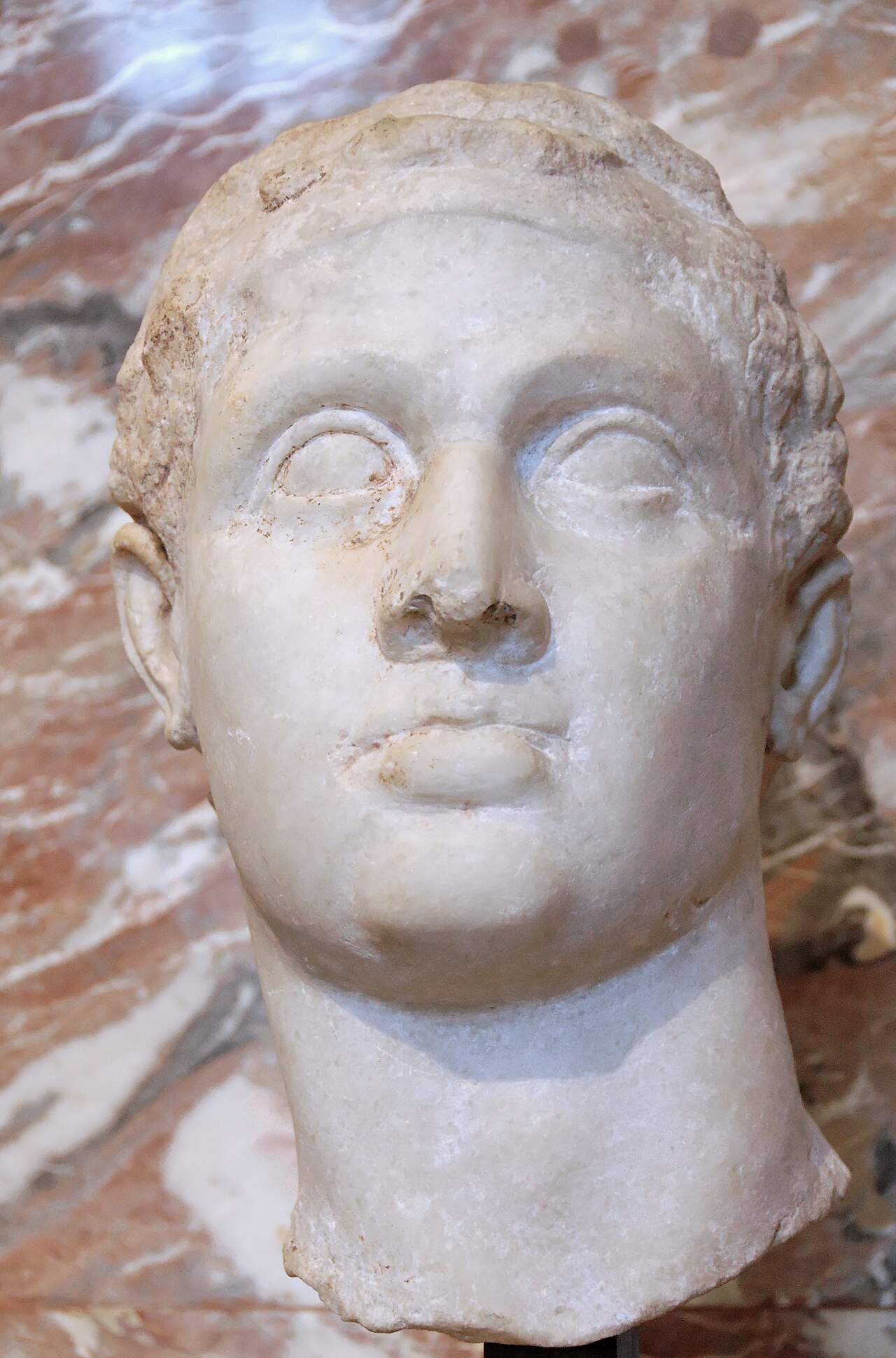
Who was Ptolemy III Euergetes
Ptolemy III Euergetes ruled as the third pharaoh of the Ptolemaic Macedonian Dynasty in Egypt. The eldest son of Ptolemy II Philadelphus and Queen Arsinoe I, he served as co-regent for two years before succeeding his father in 246 BC. His reign lasted until 222 BC and brought the kingdom to its greatest territorial extent through a successful eastern campaign that recovered sacred objects taken from Egyptian temples generations earlier. He also commissioned major building projects in Upper Egypt and issued an important decree with the Egyptian priesthood that reinforced the dynasty's legitimacy.
Why the marriage to Berenice II mattered
Ptolemy II arranged the marriage to Berenice II, daughter of Magas of Cyrene, to prevent conflict and stabilize the realm. The union brought the strategic North African territory of Cyrene under direct Ptolemaic control, securing the kingdom's western frontier and its vital grain and horse supplies. Berenice II became a powerful queen in her own right, ruling as regent during her husband's absence on campaign and later for their young son.
How his reign shaped the kingdom
Although ancient sources preserve few details of his domestic policies, the reign was marked by relative internal stability and generous patronage of Egyptian temples and the great library in the capital. The king's epithet Euergetes, meaning Benefactor, reflects the gratitude of the priesthood for his restoration of traditional cults and his return of divine images. His rule represents the high point of Ptolemaic power before the long decline that followed.
What to look for today
Travellers can still see the results of his building programme at a remarkably well-preserved temple in a southern city, one of the best surviving examples of Ptolemaic architecture. An important trilingual decree inscribed in hieroglyphs, Demotic and Greek stands in the Egyptian Museum in Cairo as a testament to the cooperation between the Macedonian court and the native priesthood that defined his era.

Registration successfull!

Your Registration is successfully done
Please Check Your E-mail to Confirm Your Account. Do not forget to open the spam folder.
 EUR


 Español
 English
 العربيه


