Cleopatra III: Ptolemaic Queen and Architect of Dynastic Power
A Queen Forged in Dynastic Conflict
Cleopatra III was a Ptolemaic queen whose life was defined by sibling rivalry and dynastic coups. As the daughter of Cleopatra II and Ptolemy VI, she navigated a treacherous court to become a dominant political force in Hellenistic Egypt, ruling as co‑regent with her sons and shaping the kingdom's final century.
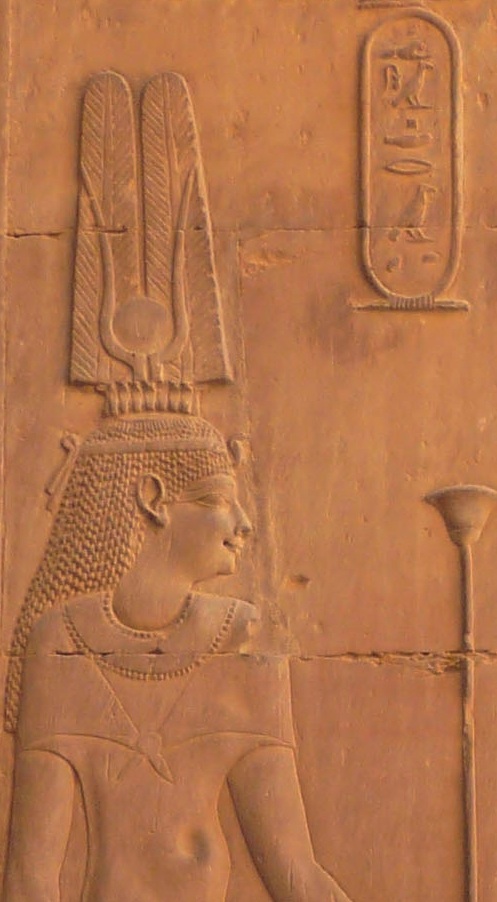
Family Background and the Ptolemaic Marriage System
Born into the Ptolemaic dynasty's dense web of sibling marriages, Cleopatra III was the product of a brother‑sister union between Ptolemy VI and Cleopatra II. This practice, intended to consolidate power and mimic pharaonic tradition, instead created overlapping claims that fueled perpetual succession disputes.
Alliance with Ptolemy VIII Physcon and War Against Cleopatra II
Cleopatra III aligned with her brother Ptolemy VIII Physcon to challenge her mother Cleopatra II for control of Egypt. The conflict erupted into a brutal civil war that divided Alexandria and the countryside. Cleopatra II initially expelled the pair, but their return was secured after the deaths of her key allies — her son and a Syrian ruler who had promised military aid. The war ended in a fragile reconciliation that installed all three as nominal co‑rulers, a settlement that masked ongoing hostility.
Children and Dynastic Marriages
- Ptolemy IX (Lathyros)
- Alexander I
- Cleopatra Tryphaena
- Cleopatra Selene
Ptolemy IX, nicknamed Lathyros ("Chickpea"), was her eldest son and first heir. He ruled briefly before his mother turned against him, later reclaiming the throne after his brother's death.
Alexander I, her younger son, was elevated by Cleopatra III to replace Lathyros. He ruled as her compliant co‑regent until he orchestrated her murder.
Cleopatra Tryphaena was married to a Seleucid king of Syria, linking the Ptolemaic and Seleucid houses in a failed bid for regional stability.
Cleopatra Selene became the wife of multiple Seleucid rulers, her marriages reflecting the desperate diplomacy of a shrinking Ptolemaic sphere.
The Coup Against Lathyros and the Rise of Alexander I
Cleopatra III's most ruthless maneuver came when she accused her elder son Lathyros of wrongdoing. She drove him into exile and installed Alexander I as king, ruling through him for several years. This mother‑son partnership restored a measure of central authority but deepened the dynasty's reputation for kin‑slaying, undermining its legitimacy among Egyptian priests and Greek elites alike.
Assassination and the End of an Era
She was assassinated in 101 BC, ending her decades of political dominance. Her death removed the last strong personality capable of managing the Ptolemaic family's rivalries. Within a generation, the dynasty would fall to Rome, its internal fractures having made conquest inevitable.

Registration successfull!

Your Registration is successfully done
Please Check Your E-mail to Confirm Your Account. Do not forget to open the spam folder.
 EUR


 Español
 English
 العربيه


